West University Painters
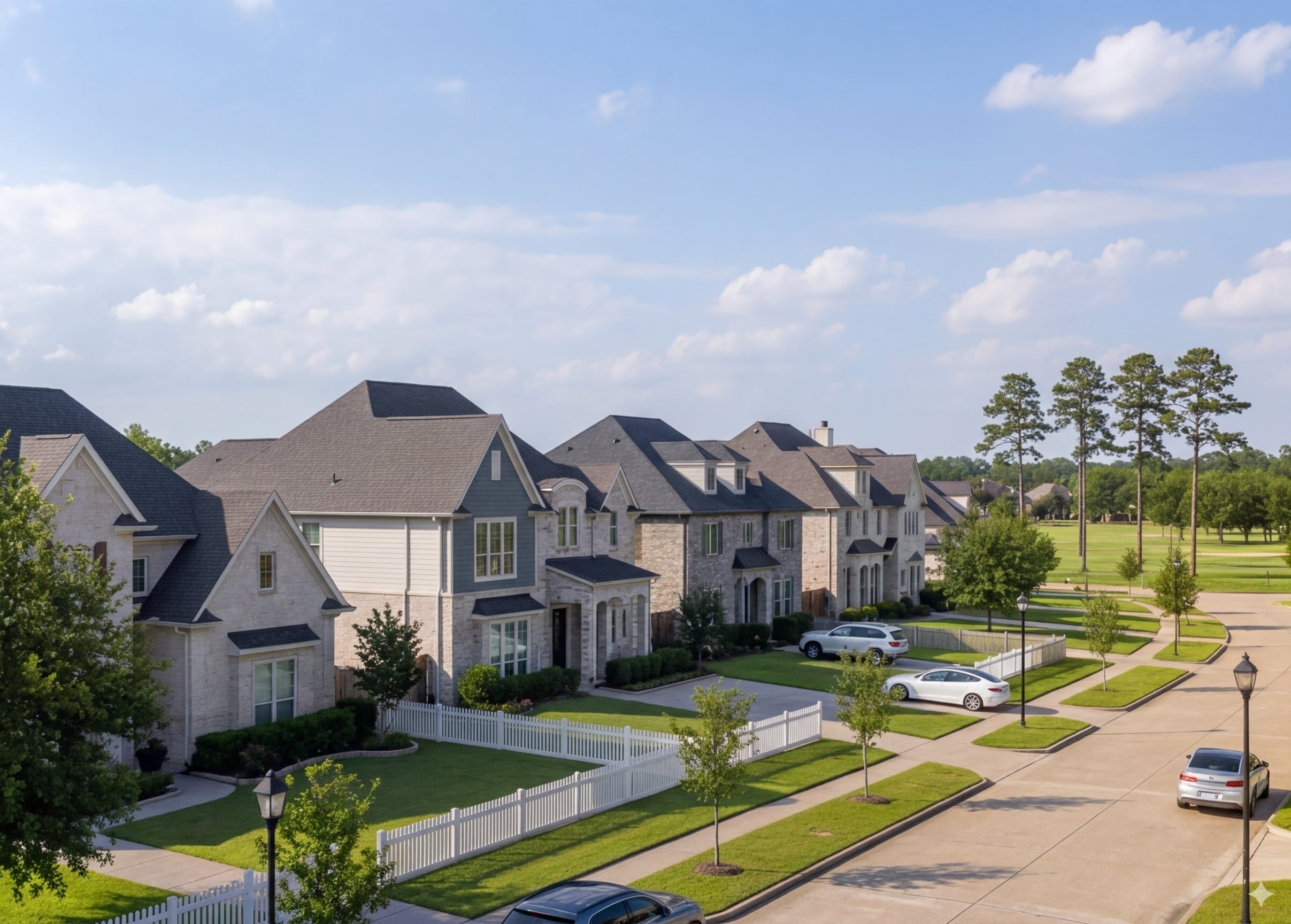
Three stories of siding with six feet to the neighbor changes how a house gets painted. We plan access, spray control, and family schedules before the first gallon is opened.
What We Paint in West U
The city holds two very different kinds of house: the original bungalows and the tall rebuilds that replaced most of them. They need different prep and different access plans.
Six surfaces, six different prep decisions, before a single color is discussed.
Three-Story Rebuilds on 50-Foot Lots
Most of West U has turned over to new construction: three stories of fiber cement and brick on a lot that leaves five or six feet to the fence. Nearly every square foot above the first floor is a ladder, scaffold, or lift decision before it is a painting decision.
Original 1930s and 1940s Bungalows
The surviving cottages are pier-and-beam with wood lap siding, wood double-hung windows, and a detached garage at the alley. They reward careful hand prep and punish pressure washing.
Fiber Cement Siding and Trim
Hardie and similar boards are the default on the rebuilds. The board itself lasts. The caulk joints, butt seams, and cut ends are what fail, and that is where a repaint either holds or does not.
Stucco and Brick Combinations
Many newer homes mix brick on the first floor with stucco or foam trim above, plus cast stone surrounds. Three substrates on one elevation means three prep approaches and three primers, not one gallon for the whole wall.
Two-Story Entries and Stairwells
Tall foyers, open stair walls, and second-floor landings are the hardest interior surfaces in these houses. They need staging or pole work to cut clean lines, and they show every lap mark from the floor below.
Garage Apartments and Alley Structures
Detached garages, quarters above them, and alley-facing elevations get skipped in a lot of repaints. They take the same sun and rain as the house and usually need more prep by the time anyone looks at them.
What Goes Wrong on West U Homes
Most of the problems we get called about in West U trace back to the same six places on the house. Find yours on the elevation.
Caulk Failing at Siding Joints
On ten to twenty year old fiber cement, the butt joints and window flanges open before the paint does. Water gets behind the board, the cut ends swell, and the finish lifts along the seam. Recaulking with the right sealant is most of the job on these houses.
Third-Floor Trim Burning Out First
The highest gables, fascia, and window trim take direct sun and wind-driven rain with nothing shading them. It is common to see chalky, faded paint up top while the first floor still looks fine, which is exactly the surface everyone skips because it is hard to reach.
Overspray Onto the Neighbors
With five feet between houses, spraying a side elevation on a breezy day puts material on someone else's siding, car, or pool. That risk changes how we work, not just how careful we are.
Sprinkler Lines Along the Bottom of Walls
Irrigation hitting siding leaves a mineral stain and a mildew band across the lower foot or two of the wall. Painting over it without cleaning and adjusting the heads means the same line is back within a year.
Movement Cracks in Tall Openings
Pier-and-beam bungalows move and open trim joints. Newer slab homes crack drywall at the corners of tall windows and cased openings. Both look like paint problems and neither is fixed by paint.
Scuffed Walls in Houses Full of Kids
Hallways, stair walls, playrooms, and mudrooms in a family house take daily contact. Flat paint in those spots burnishes when you wipe it. The answer is a scrubbable sheen where traffic is, not a repaint every two years.
How We Prep a West U House
Prep is where the money goes on a house like this. Eight line items appear on nearly every West U estimate we write, each priced and spelled out before work begins.
Full Masking on the Neighbor Side
Side elevations get containment before anything is sprayed, and we switch to brush and roll when wind or spacing makes spraying the wrong tool.
Sealant Replacement at Every Joint
Old caulk is cut out rather than covered. Butt joints, window flanges, and trim intersections get a high-movement urethane or hybrid sealant.
Priming Cut Ends of Fiber Cement
Field-cut board edges soak up water. Every exposed cut gets primed before it goes back together or gets its finish coats.
Low-Pressure Washing on Wood Siding
Original bungalows get washed at low pressure. High pressure drives water behind lap siding and into the wall cavity, which causes the next round of peeling.
Spot Priming Bare Wood and Tannin
Scraped areas, weathered cedar, and knots get a stain-blocking primer so tannin does not bleed a rust-colored stain through the topcoat.
Staging for Third-Story Access
High gables and fascia are reached with scaffold or lift rather than a ladder leaned into landscaping, so the top of the house gets the same prep as the bottom.
Washable Finishes in Traffic Areas
Hallways, stairwells, and kids' spaces get a scrubbable matte or eggshell, with hard enamel on rails, doors, and trim that hands touch.
Low-Odor Products in Occupied Homes
When a family is staying through the project, we use low-VOC coatings, keep zones sealed, and finish each room instead of leaving the house open overnight.
Every line item above appears in the written estimate. Nothing is assumed.
Weather, Wind, and Tight Lots
Heat, humidity, and storm season affect every Houston repaint. This is how the year actually shapes our schedule on a narrow West U lot.
Afternoon Storms After Lunch
Hot Upper-Floor Elevations
Humidity Stretches Recoat Windows
Cold Snaps Stop Exterior Finish
Wind Decides Whether We Spray
On a lot this tight, wind is a scheduling factor. We check it each morning and move to the sheltered elevation, or to brush and roll, rather than putting material on a neighbor's house.
Water Sits at the Base of the House
Parts of West U drain slowly in heavy rain, and splash-back keeps the lower siding wet. Those courses need real dry time and sometimes a different sealant detail at the bottom edge.
Longer Waits Between Coats
Houston humidity stretches dry times well past what the label says. We plan for the longer wait instead of compressing the schedule and trapping solvent under the finish.
What We Handle in West U
Painting first, with the trades a repaint always touches priced into the same scope.
Interior Painting
Whole-house repaints, two-story entries and stair walls, playrooms, and trim in family homes. Scheduled in zones so you keep bedrooms and the kitchen through the project.
Exterior Painting
Fiber cement, brick, stucco, wood siding, and third-floor trim. Includes the sealant work at joints and window flanges that decides how long the repaint holds.
Drywall Repair
Cracks at tall window and door corners, nail pops, ceiling damage under upstairs baths, and texture matching before a repaint.
Carpentry and Wood Repair
Rotted fascia and sills, damaged fiber cement boards, porch columns, and window trim on original bungalows. Repaired and primed before the finish coats go on.
Gutter Repair
Resealing and reattaching runs on tall elevations, and correcting downspouts that dump water into the narrow side yard between houses.
Electrical Work
Exterior lighting, fixture replacement, and outlet or switch work that pairs naturally with a repaint while fixtures are already off the wall.
How a West U Project Runs
From the first walkthrough to the last touch-up, built around school schedules, street parking, and neighbors who are close enough to notice.
Estimate Around Your Schedule
We book walkthroughs outside school drop-off and pickup so the street and driveway are clear. Evening and Saturday appointments are available during the school year.
Measure the Access Problem, Not Just the House
On a narrow lot the real questions are where the scaffold goes, how we reach the third floor, and which elevations can be sprayed. We answer those at the estimate because they drive the price and the timeline.
Written Scope With Sealant and Prep Called Out
The estimate lists caulk removal and replacement, priming of bare and cut surfaces, and which sheens go where. If a bid is much cheaper than ours, this is usually the section it is missing.
Neighbor and Parking Plan
Before we start we agree on where trucks park, how long they stay, and what we mask on the property line. Neighbors get a heads-up before spray days rather than a surprise.
Work Hours That Fit City Rules and Naptime
We keep to normal daytime working hours in line with City of West University Place noise rules, and we will work around a nap schedule if you tell us the window.
Room-by-Room Interiors for Families Staying Home
Zones are sealed off, outlets and hardware come off, low-odor products go on, and each area is put back the same day so kids and pets are not living in a construction site.
Walkthrough and Touch-Ups Before We Leave
We go elevation by elevation outside and room by room inside, mark anything that needs another pass, and finish it before the equipment is loaded.
West University Painting FAQ
Questions West U homeowners ask about overspray, permits, fiber cement failures, third-story access, and living in the house during the work.
Will spray paint drift onto my neighbor's house?
Not if the job is set up correctly. On West U lots the side elevations are close enough that we either mask the property line and check the wind before spraying, or we brush and roll that side. We tell you which approach we are using for each elevation before we start, and we let the neighbor know before a spray day.
Do I need a permit from the City of West University Place to paint my house?
Painting on its own does not normally require a permit. Related work can, including some carpentry, structural repairs, and electrical work, and the city has its own contractor registration and work-hour rules separate from Houston. We confirm what applies to your scope before we schedule and pull what is needed.
My fiber cement siding is only ten years old and it is already peeling. Why?
Almost always the sealant, not the board. When caulk at the butt joints and window flanges opens up, water gets behind the siding and into the cut ends, and the finish lifts along those seams. Repainting without replacing the sealant repeats the failure. We cut out the old caulk, prime exposed cut ends, and reseal with a high-movement product.
Can you reach the third floor without wrecking the landscaping?
Yes. We plan access at the estimate and use scaffold or a lift set on protection rather than leaning ladders into beds and shrubs. On tight side yards we sometimes stage from the front or alley and work an elevation at a time.
Can we live in the house with young kids while you paint?
Most of our West U interiors are done with the family in residence. We work in sealed zones, use low-odor coatings, keep tools and materials off the floor at the end of each day, and return each room to service the same day rather than leaving the house torn apart.
Should we schedule during the school year or over the summer?
Interiors are easier during the school year, when the house is quiet during the day. Exteriors are more predictable in spring and fall, since summer brings afternoon storms and hot surfaces on the upper floors. If you want the exterior done over the summer, we start early each day and plan around the storm pattern.
Our original wood windows are in bad shape. Repair or replace?
On the older bungalows repair is usually worth it. Sash can be scraped, reglazed, primed, and repainted, and rotted sills can be replaced in kind. If the frame itself is gone we will tell you rather than paint over it. We will give you an honest read at the walkthrough either way.
How long does a West U exterior repaint take?
A three-story house with a full sealant replacement typically runs seven to twelve working days, weather permitting. The prep is the long part. An original one-story bungalow is usually four to six days. Rain and wind days extend the calendar, and we tell you when a day is lost rather than quietly stretching the schedule.
Get a Free Painting Estimate in Houston
Tell us about your project and we'll send a clear estimate with scope, timing, and next steps. Most requests get a response within one business day.
Or call us directly: (713) 541-5383